
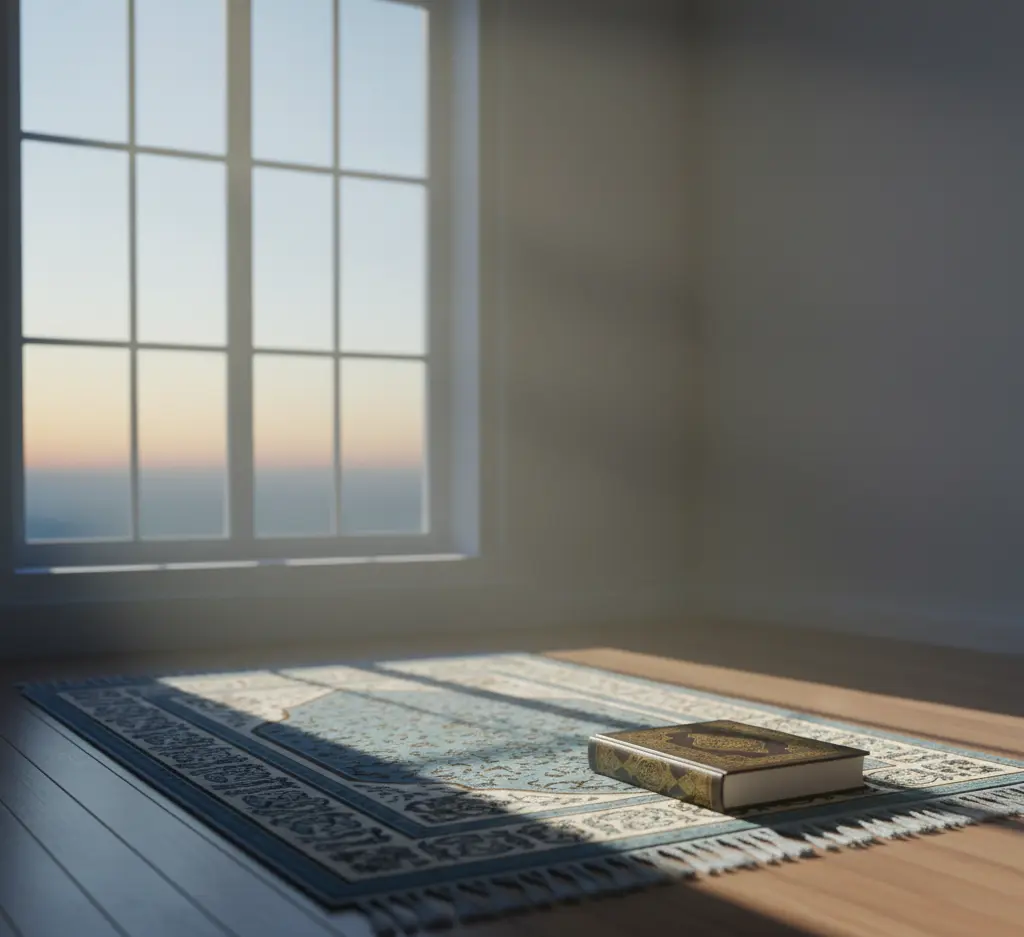
There is a special stillness in the moments before dawn. The world is quiet. The sky is soft. The heart feels lighter than it does during the noise of the day. Many Muslims know this feeling well, the gentle silence just before Fajr. It is in this moment that Allah invites us to rise, wash away yesterday’s weight, and begin the new day with His remembrance.
Some people struggle with Fajr. They feel guilty. They set alarms and turn them off. They tell themselves they will try again tomorrow. I have met so many students who whispered, “I want to pray Fajr on time, but I feel weak.” And every time, I remind them that Fajr is not only a duty. It is a mercy. A gift. A chance to reshape your day before it even begins. If you are struggling with a lack of structure, adopting the best way to learn Quran online can help build discipline. Let us walk through the beautiful benefits of praying Fajr in Islam, slowly and with reflection.
1. Fajr Brings Light to the Heart and the Day
The Prophet ﷺ taught that angels witness the Fajr prayer. Imagine beginning your day with the company of angels who testify that you stood before your Lord when most people were asleep. When you pray Fajr, Allah fills your heart with a light that protects your steps throughout the day.
The peace you feel after Fajr is different from any other prayer. It settles inside you like calm water. It shapes your morning, your decisions, and even your emotions.
2. Fajr Strengthens Discipline and Willpower
Waking up early is difficult. But every time you rise for Fajr, you break a barrier inside yourself. You teach your mind that Allah comes before your comfort. You teach your body that worship comes before sleep. This discipline spreads into every area of your life.
I once taught a brother who struggled to wake up for Fajr. He worked long hours and felt exhausted every night. When he finally built the habit, he told me, “It changed how I work, how I think, even how I speak to people.” Fajr refines the soul in ways we do not expect. This increased discipline is key to how to build consistency in daily Quran recitation.
3. Fajr Protects You Throughout the Day
The Prophet ﷺ promised divine protection for the one who prays Fajr in congregation. Even praying at home brings powerful spiritual safeguards. Many scholars explain that Fajr draws a shield around your heart, guarding it from anxiety, distraction, and negativity.
The world feels kinder on the days you pray Fajr. Your mind feels clearer. Your decisions become wiser. There is a gentle strength that follows you.
4. Fajr Brings Barakah in Work, Family, and Life
Have you ever noticed how much you can accomplish early in the morning? After Fajr, the body is fresh, the mind is sharp, and the heart is focused. That is because Allah places barakah in the early hours.
Students memorize better after Fajr. Parents find patience easier. Workers think more clearly. Even your sustenance is blessed when you start the day with worship.
Barakah is not only about time. It is about energy, opportunities, inner peace, and clarity. Fajr opens that door.
5. Fajr Connects You to the Qur’an
The time of Fajr is one of the best times to recite Quran. The heart is soft in the early morning. Distractions are fewer. And Allah Himself says that the recitation of Fajr is witnessed.
Some of the most beautiful memorisation happens after Fajr. Many students read slowly in that peaceful hour, letting the Quran enter their chest before the noise of the day begins. If you want a deeper connection with the Quran, begin at Fajr.
6. Fajr Aligns You With the Rhythm of a Believer’s Day
The Prophet ﷺ lived with a sacred rhythm. He rested early, woke for Fajr, prayed with presence, and started his day before sunrise. When you follow this rhythm, you feel your life settling into balance.
Your sleep becomes cleaner. Your mind becomes calmer. Your habits become healthier. Your relationship with Allah becomes your anchor instead of your afterthought.
Fajr places your day under divine guidance before you take a single step.
7. Fajr Brings You Closer to Allah in a Private and Intimate Way
There is something deeply personal about waking up before dawn. No one sees you. No one praises you. No one knows except Allah. This makes Fajr a moment of sincerity. It becomes a conversation between you and your Creator.
A student once told me she feels closest to Allah at Fajr because “it feels like the world is asleep but Allah is listening only to me.” This is the sweetness of early worship.
8. Fajr Strengthens Faith and Softens the Heart
Faith grows in small, quiet acts. Rising for Fajr, making wudu in cold water, placing your forehead on the ground, and whispering verses from the Quran builds spiritual strength drop by drop.
Fajr softens the heart that has become dry. It heals wounds you did not realise were open. It gently polishes the soul until it begins to shine again.
How to Build a Strong Fajr Habit
Wake up gently, not harshly.
Sleep with the intention of Fajr.
Avoid scrolling late at night.
Place your alarm far from your bed.
Pray two units before Fajr if possible, even if they are short.
Ask Allah sincerely to make it easy for you. Habits grow slowly, but sincerity makes them stronger. If you are starting your Quran journey in this blessed hour, ensure you learn the how to learn Arabic alphabet for Quran correctly.
A Soft Closing Reflection
Fajr is not only a prayer, it is a beginning. It is the doorway through which blessings enter your day. It is a quiet invitation from Allah to rise, breathe, and reconnect. If you are struggling with Fajr, do not feel ashamed. Every believer has seasons of weakness. What matters is that the door of dawn is always open for you.May Allah make Fajr sweet, easy, and beloved to your heart.
May He fill your mornings with light and your days with peace.
May He write you among those who rise when called and walk through the world protected by His mercy.
Ameen.