Salat, Namaz & Prayer (Online Namaz Course)

Learn How to Perform Salah Step by Step
with Al Qalam Online Quran Academy

Prayer is the foundation of a Muslim’s life — the bridge that connects us with Allah five times a day. At Al Qalam Online Quran Academy, we help children and adults worldwide learn Salah (Namaz) properly with accurate postures, pronunciation, and meaning.

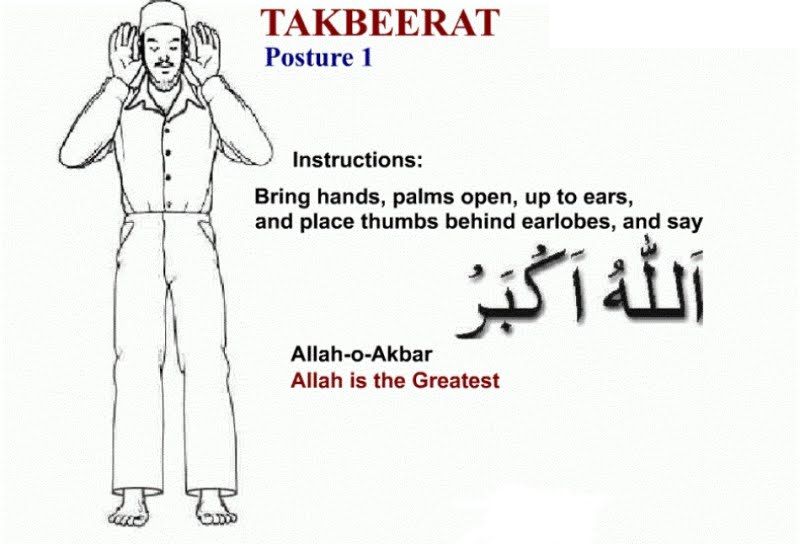
Takbeerat (Opening Takbeer)

Position: Stand upright facing the Qiblah, raise both hands to the ears.
Recite: Allahu Akbar – “Allah is the Greatest.”
This marks the beginning of Salah and brings your heart into focus

Takbeerat

Tip: Our tutors guide learners step-by-step through correct hand position, intention (niyyah), and focus to develop khushu (concentration) in every prayer.

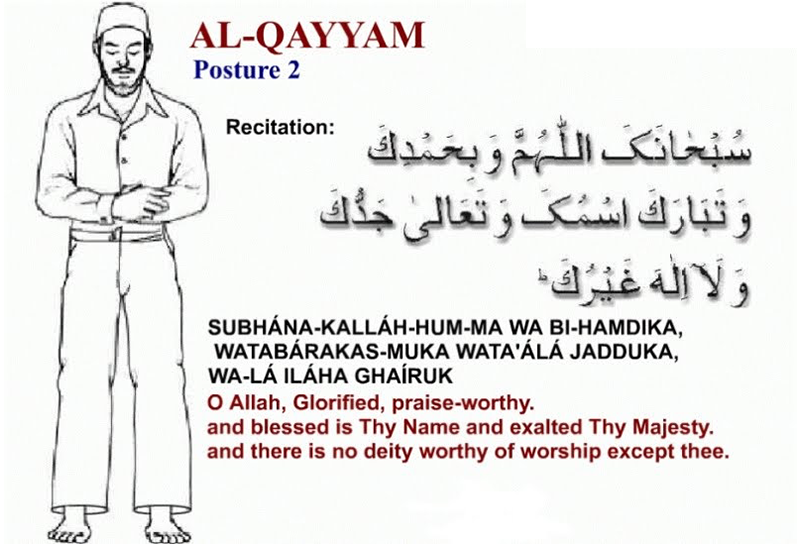
Al-Qayyam (Standing Position)

Position: Stand with folded hands on the chest.
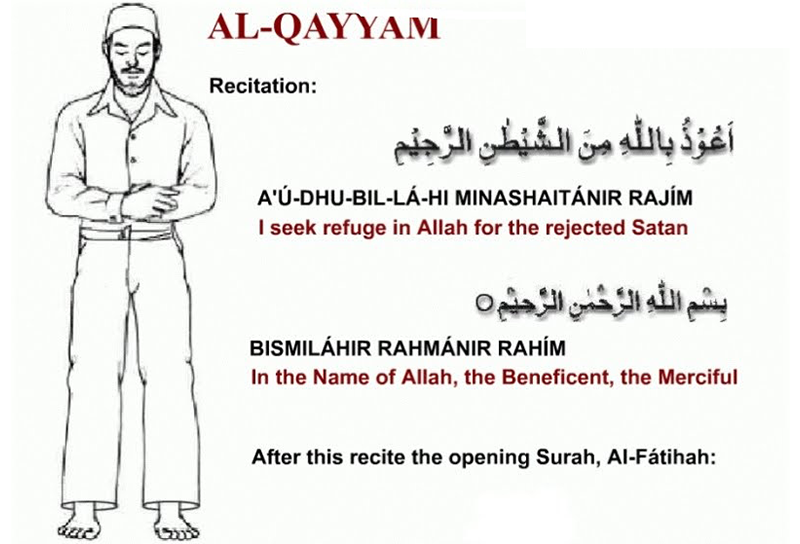
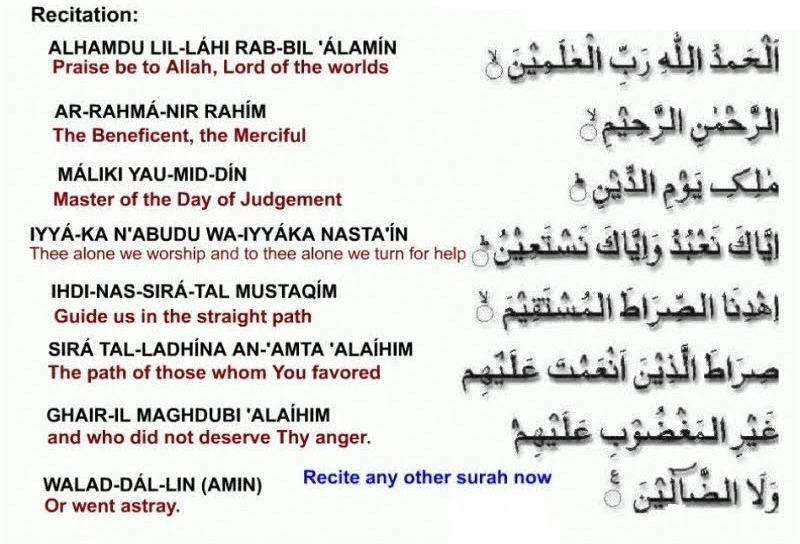
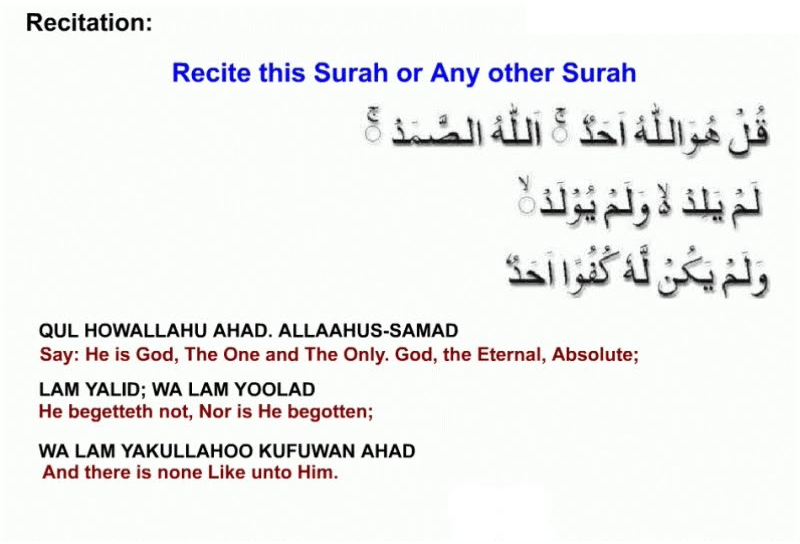
Recite: Surah Al-Fatiha followed by any short surah or verse from the Qur’an.
This posture symbolizes humility and obedience to Allah.

Al-Qayyam

Learn with us: Our teachers explain each verse’s meaning and pronunciation so you understand what you’re reciting.

Al-Qayyam

Position: Stand with folded hands on the chest.
Recite: Surah Al-Fatiha followed by any short surah or verse from the Qur’an.
This posture symbolizes humility and obedience to Allah.

Al-Qayyam

Al-Qayyam

Position: Stand with folded hands on the chest.
Recite: Surah Al-Fatiha followed by any short surah or verse from the Qur’an.
This posture symbolizes humility and obedience to Allah.

Al-Qayyam

Al-Qayyam

Position: Stand with folded hands on the chest.
Recite: Surah Al-Fatiha followed by any short surah or verse from the Qur’an.
This posture symbolizes humility and obedience to Allah.

Al-Qayyam

Ruku (Bowing Position)

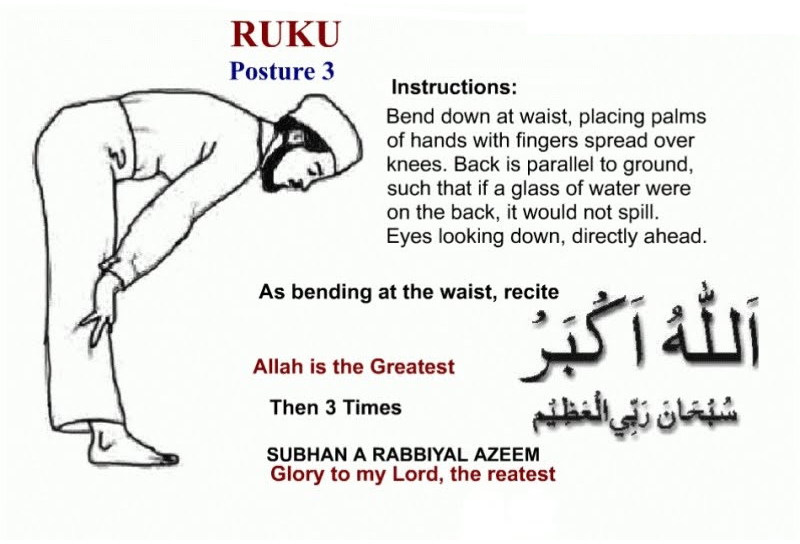
Position: Bend forward with hands on knees, back straight, eyes down.
Recite: Subhana Rabbiyal Azeem (3 times) – “Glory be to my Lord, the Magnificent.”
Ruku represents submission and respect before Allah’s greatness.

Ruku

🧭 Our method: Students are taught balance between correct physical form and heartfelt remembrance.

Qayyam (After Ruku)

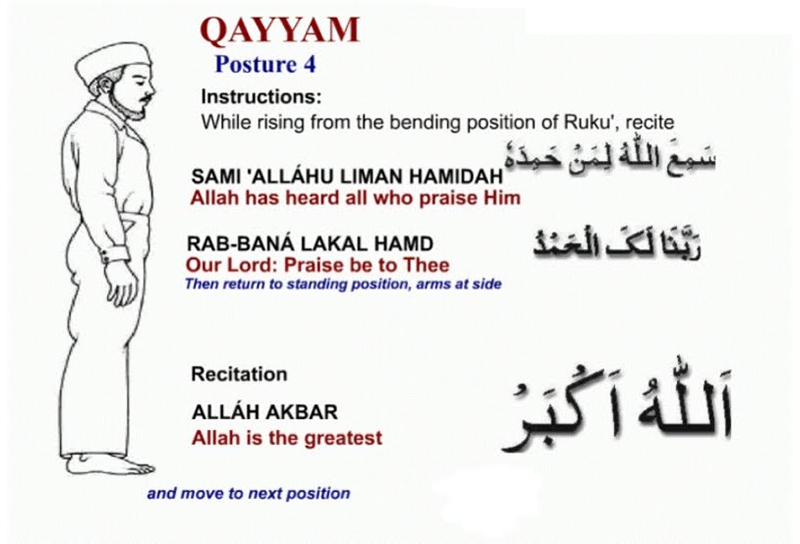
Position: Return to standing.
Recite: Samiallahu liman hamidah, Rabbana lakal hamd – “Allah hears those who praise Him; our Lord, to You belongs all praise.”
This moment renews gratitude in the heart of every believer.

Qayyam

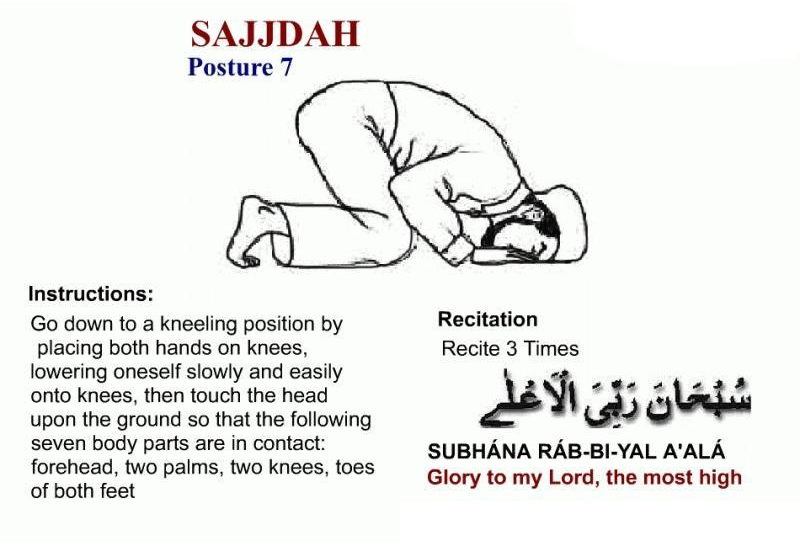
Sajdah (Prostration)

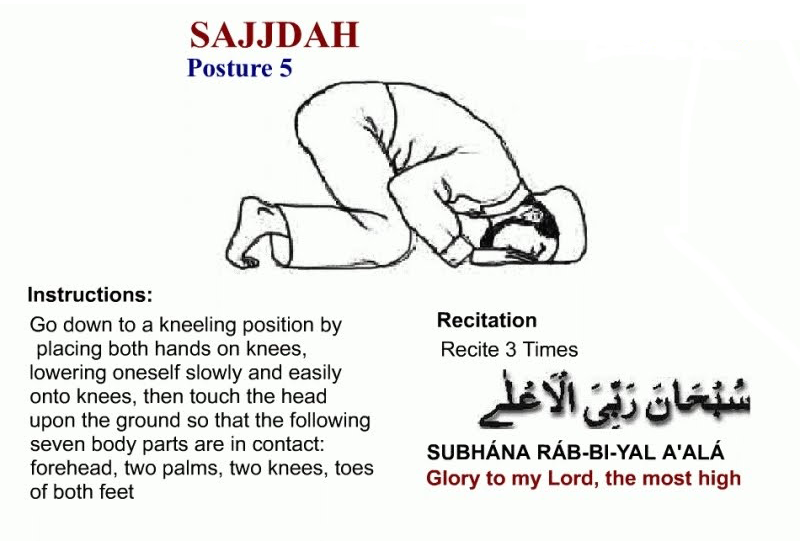
Position: Place your forehead, nose, palms, knees, and toes on the ground.
Recite: Subhana Rabbiyal A‘la (3 times) – “Glory be to my Lord, the Most High.”
The sajdah is the closest a believer can be to Allah.

SAJJDAH

🌸 Benefit: Our academy emphasizes performing sajdah with proper alignment, calmness, and reflection

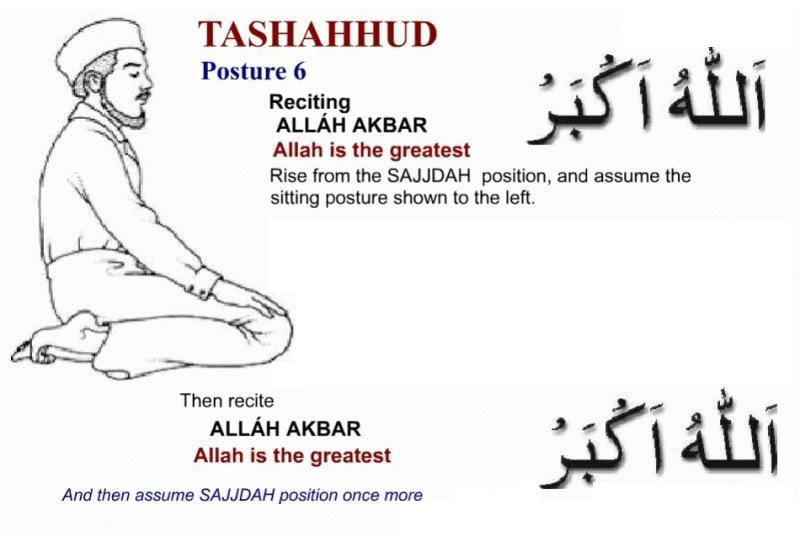
Tashahhud (Sitting Position)

Position: Sit on the left foot with the right upright.
Recite: At-tahiyyatu lillahi was-salawatu wat-tayyibat…
In this sitting posture, Muslims bear witness to faith and greet the Prophet ﷺ.

tashahhud

🕊️ Guidance: Our instructors explain its meaning so students internalize the message of peace and unity.

Sajdah (Prostration)

 Position: Place your forehead, nose, palms, knees, and toes on the ground.
Recite: Subhana Rabbiyal A‘la (3 times) – “Glory be to my Lord, the Most High.”
The sajdah is the closest a believer can be to Allah.

SAJJDAH

🌸 Benefit: Our academy emphasizes performing sajdah with proper alignment, calmness, and reflection.

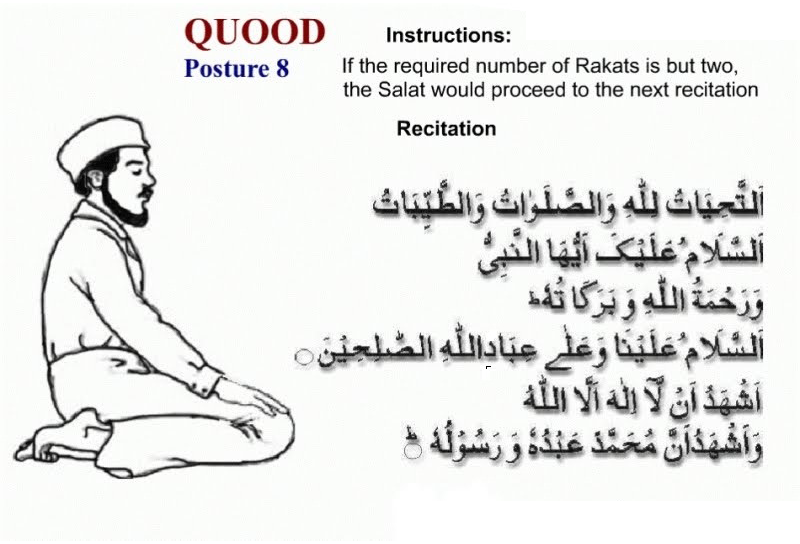
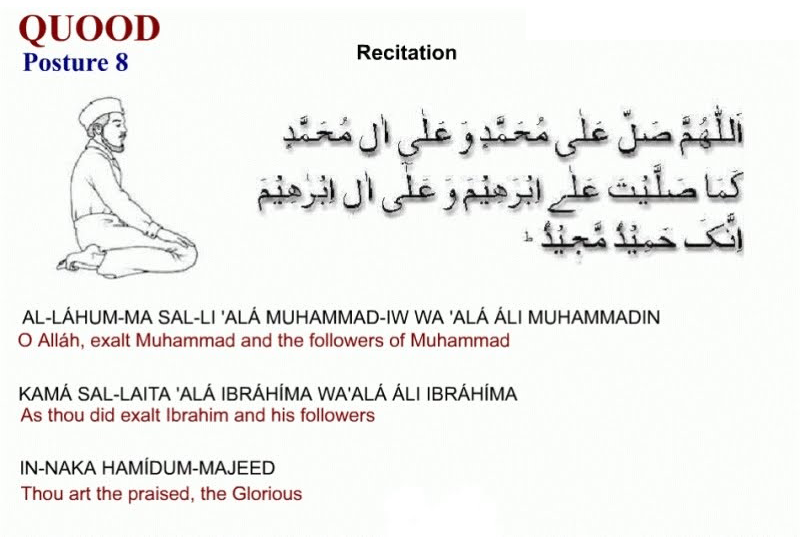
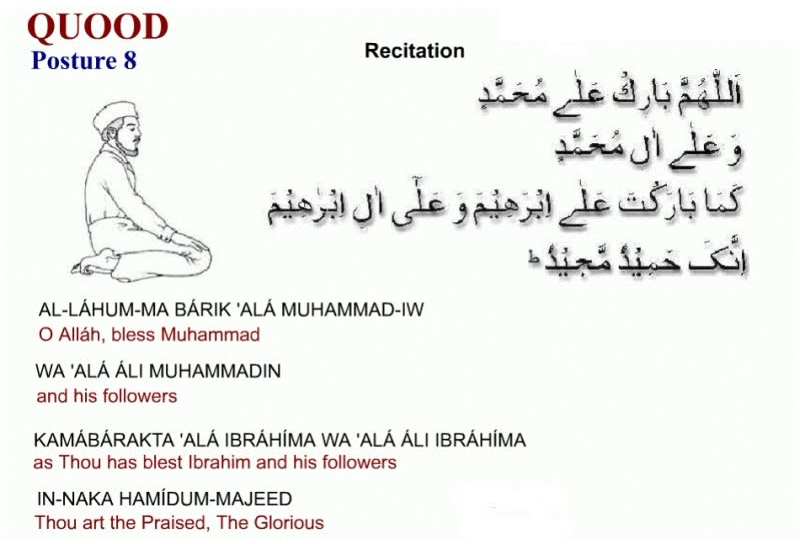
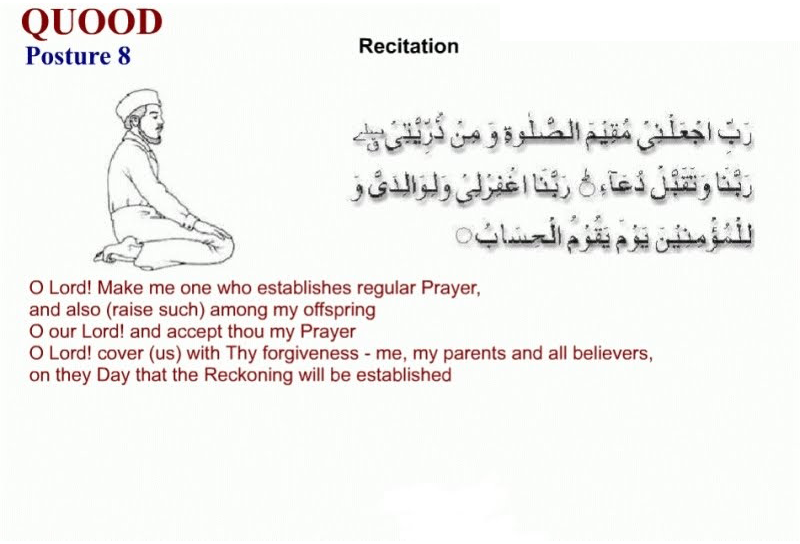
Quood (Final Sitting)

Position: Remain seated after the second Sajdah.
Recite: Durood Sharif and supplications as taught by the Prophet ﷺ.

quood

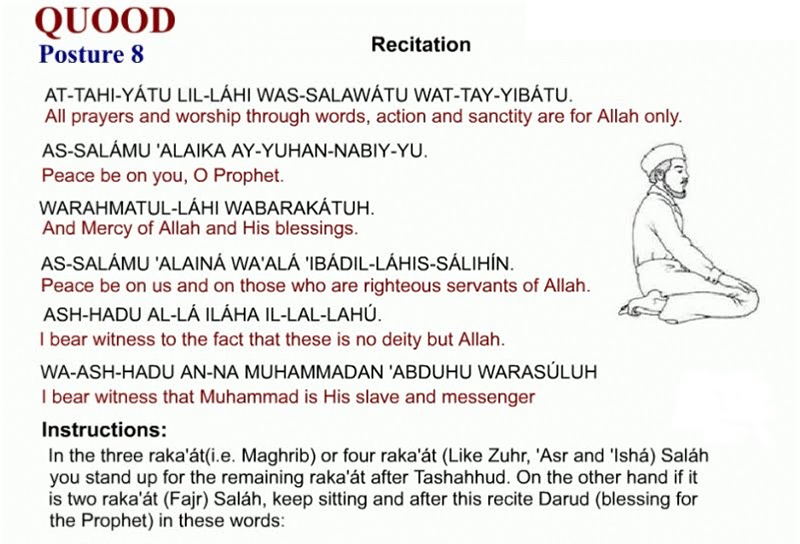
Quood (Final Sitting)

Recite: At-tahiyyatu lillahi was-salawatu wat-tayyibat

quood

Quood

Position: Remain seated after the second Sajdah.
Recite: Durood Sharif and supplications as taught by the Prophet ﷺ.

quood

Quood

Position: Remain seated after the second Sajdah.
Recite: Durood Sharif and supplications as taught by the Prophet ﷺ.

quood

Quood

Recite: Durood Sharif and supplications as taught by the Prophet ﷺ.

quood

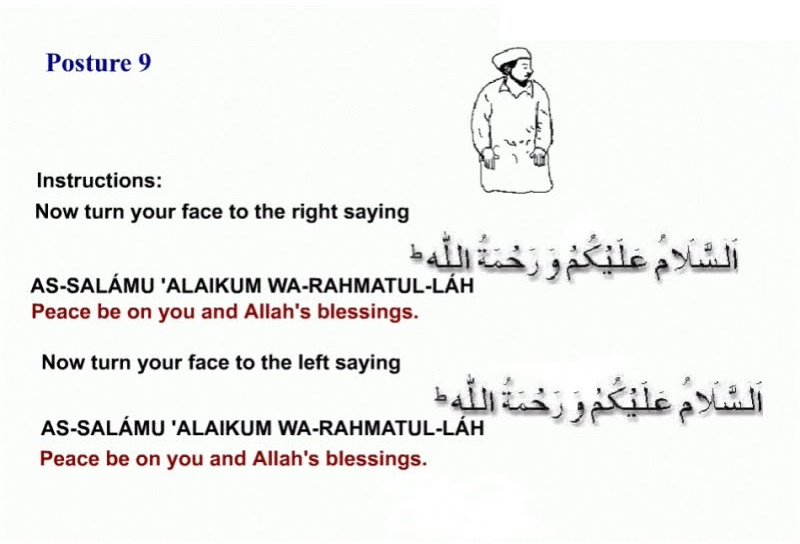
Tasleem (Salam)

Turning the head right and left saying Assalamu Alaikum wa Rahmatullah.

Takbeerat

Start Your Prayer Journey

WHY LEARN SALAH ONLINE?

Many Muslims know the basics but seek accuracy and spiritual depth. Our certified tutors help you:

Try your free Trial Class today

Frequently Asked Questions

How long does it take to learn how to perform Salah perfectly?

For beginners, it typically takes 2 to 4 weeks to memorize the steps, Arabic recitations, and correct postures of Salah through our online course.

Do you teach Wudu (Ablution) in this course?

Yes, the course starts with a complete practical demonstration of Wudu (Ablution) and Ghusl (Purification), as purity is the key to Salah.

Is this course for kids or adults?

We have separate modules for both. We teach kids with visual aids and easy memorization, while adults focus on Tajweed correction and understanding the meaning of prayers.

Can I learn the translation of what I recite in Salah?

Absolutely. Our goal is to help you focus (Khushoo) in prayer. We teach the English or Urdu translation of Surah Fatiha, Tashahhud, and other supplications used in Salah.

Are the classes conducted via video call?

Yes, classes are live 1-on-1 video sessions via Zoom or Skype, allowing the tutor to correct your body posture (Ruku, Sajdah) in real-time.

Ready to perfect your Salah and strengthen your connection with Allah?

Start your Free Trial Class Today and learn step-by-step with certified Quran and
Fiqh teachers at Al Qalam Online Quran Academy.